Curatorial Note
In this exhibition, water emerges as the protagonist, a portal between worlds—the divine, the human and the more than human, between ecologies erstwhile and those critically endangered at present. The Indus delta, a confluence of river, sea and land, once co-emerging in communion with each other have since lost synchronicity. Colonial intervention, hydro-electric ambitions and state economies destabilized the rhythms of their world, depleting precious silt carried by the Indus, drying sacred creeks, and consequently raising sea levels that continue to engulf the delta. When landscapes disappear, especially those held sacred by communities indigenous to them, how do we continue to hold, remember and cherish union with them?
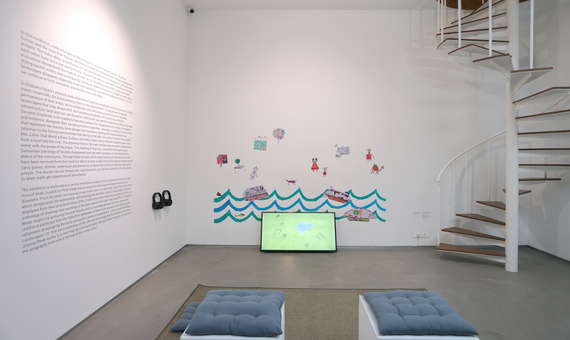
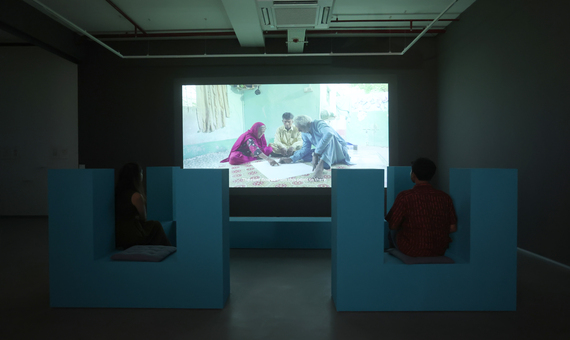
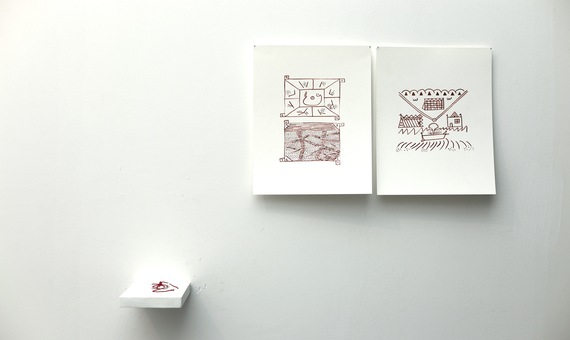
In Shahana Rajani’s practice, early criticisms of colonial cartography, and its ambitions of ordering rivers—especially the Indus among others in the subcontinent—to collude with the desired permanence of their maps, led to solidarities with alternative, ancestral forms of recording landscapes that may shape-shift. As transitions accelerate with continuing unplanned infrastructure, land and river are forced to yield to the sea, and the custodians of those landscapes become displaced, such traditions become conduits for intergenerational transfer of knowledge and evidence, alongside their sacred, protective capacities. Drawings, consisting of lines and dots that represent the cosmos, have always held reparative, healing and mystical relevance as talisman to the fishing communities that belong to the delta. At a critical moment in the central film, Lines That World a River, Gulbano and Safiya Dablo toss a talisman wrapped in green cloth from a boat into the river. The drawing melts in the water and becomes one with it, endowing the water with the power of its prayer. This meeting of drawing, river and the divine gives way to Samandari paintings of forcibly disappeared land and water ecologies as remembered by the elders of the community. Through these murals, which assert longing and belonging, those who have been removed from their land are able to access worlds that are no longer accessible but still carry graves, shrines, waterways and presences of saints that continue to bless the delta and its people. The murals too are thrown into rapid transition, just like the waterbodies that they allude to when walls get repainted and demolished.
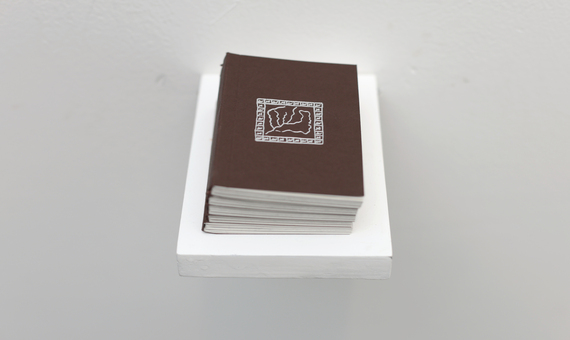
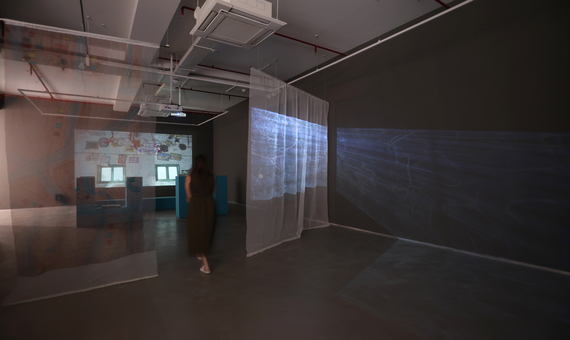
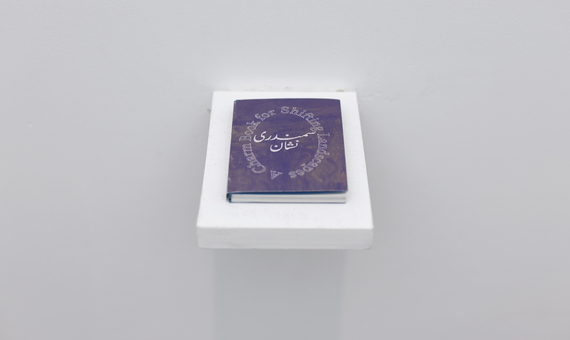
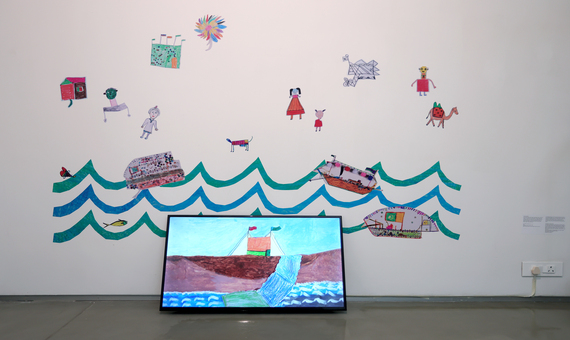
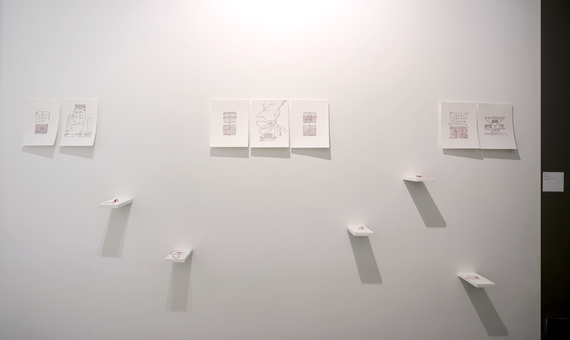
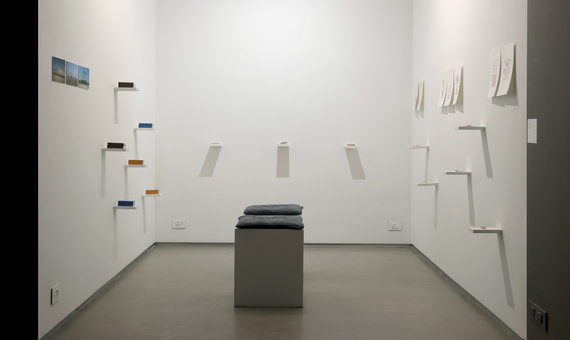
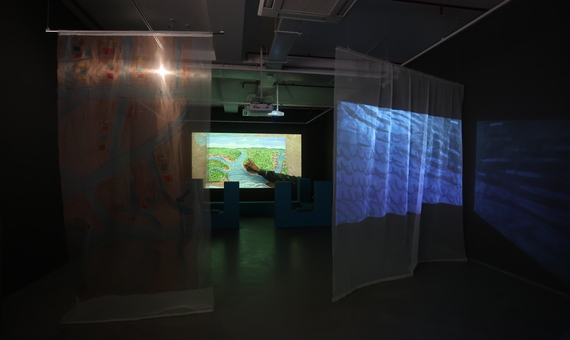
The exhibition is anchored to a central interactive sculptural form inspired by the shrine of saint Yousuf Shah, located on Phitti Creek that protects from developmental projects and natural disasters. From its perch, two moving image works face it on each side—Lines That World a River, which foregrounds the relationship with painting that the fisher family of Abida Dablo, who were displaced from their ancestral home of Mul Creek in the Indus Delta have, and Seals of Sindhu, an anthology of drawings and paintings of the delta against the water that carries them. The Wall is Water begins by gesturing towards futurity with an animated glossary of words created with children’s paintings from the fisherfolk settlement of Rehri Goth, and ends with talismans and talismanic drawings by the artist alongside a series of publications, A Charm Book for Shifting Landscapes I-III, that are a repository of the affective knowledge that the exhibition enshrines. Joining these works is a river map by community elder, Abdullah Dablo that gives us a sense of the geography from which the rest of the works unfurl.
- Text by Anushka Rajendran